What it is

Lipoic acid (alpha-lipoic acid, or thioctic acid) is a sulphur compound that plants, animals and people make. Its R-form helps mitochondrial enzymes turn food into energy, and in supplement form it acts as an antioxidant (LPI). Spinach, broccoli, tomatoes, peas, Brussels sprouts and organ meats contain small amounts bound to protein, which does not measurably raise free lipoic acid in the blood. Supplements, usually 50-600 mg of an R,S mixture, are different.
Nervesignal lists alpha-lipoic acid second in its 575 mg blend, after magnesium glycinate, without an amount.
The neuropathy trials
Lipoic acid has been used for diabetic nerve symptoms in Germany for decades. Key results:
- IV: 600 mg a day for three weeks produced a clinically relevant drop in symptom scores in a meta-analysis of four trials (Mijnhout et al., 2012).
- Oral, short term: the SYDNEY 2 trial gave 181 people 600, 1,200 or 1,800 mg a day for five weeks; symptoms improved, and 600 mg worked as well as the higher doses with fewer side effects (SYDNEY 2, LPI). The meta-analysis judged the oral effect of uncertain clinical relevance.
- Oral, long term: NATHAN 1 followed 421 people on 600 mg a day for four years and found no difference on its main composite endpoint, though some secondary measures improved (LPI).
The Linus Pauling Institute notes most of this work came from one German group funded by a lipoic acid manufacturer; the meta-analysis authors noted all included studies were manufacturer-sponsored.
How much is in Nervesignal?
Unknown. The blend is 575 mg. If the 80 mg of magnesium comes from magnesium glycinate inside it, that compound alone weighs roughly 400-570 mg, leaving at most about 175 mg for lipoic acid and four other ingredients, and possibly under 10 mg. Either way, the capsule cannot hold the 600 mg used in trials. Work through it in The 575 mg blend, worked out.
Taking it well
Food lowers lipoic acid absorption: peak levels by about 30% and total exposure by about 20%, so the Linus Pauling Institute suggests taking it around 30 minutes before a meal (LPI). Nervesignal’s label simply says with water, morning or evening.
Safety
- Blood sugar: may add to insulin or diabetes tablets; monitor glucose (LPI).
- Insulin autoimmune syndrome: a rare cause of severe low blood sugar triggered by lipoic acid in genetically susceptible people, about 27 cases reported, mostly in Japan (MSK).
- Stomach and skin: nausea, vomiting, abdominal pain, rash and itching; nausea and vertigo rose with dose in one trial.
- Cancer treatment: as an antioxidant it may interfere with some chemotherapy and radiation; ask your oncologist (MSK).
- Children: accidental ingestion has caused poisoning; store safely.
Bottom line
If you and your doctor want to try lipoic acid for diabetic nerve symptoms, a single-ingredient 600 mg product with a stated dose is the version the research actually tested. Nervesignal’s share is unknown and likely small. See Nerve pain treatments that work for what else works.
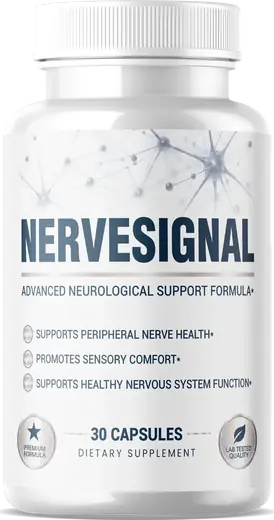
Considering Nervesignal? Two bottles are $158 plus shipping; six are $294 ($49 each) with free US shipping and three bonus guides. Only unopened bottles can be refunded, the seller asks for at least three months of use, and alpha-lipoic acid can lower blood sugar, so read the safety guide first.
Order Nervesignal From $49/BottleQuestions
Is alpha-lipoic acid safe with diabetes?
It can lower blood sugar, so only with your doctor’s agreement and closer glucose monitoring.
What dose of ALA helps neuropathy?
Trials used 600 mg a day; higher oral doses added side effects, not benefit.